
In this article, we examined pharmaceutical challenge: the non-alcoholic hand sanitizer, how it works, and introduced some methods to determine the effect on microorganisms. by Maryam Vanaee & Cademix Institute of Technology
The disadvantageous of alcoholic hand sanitizer
Even though alcohol hand sanitizer is good at killing a variety of bacteria, viruses, and spores, it does have certain drawbacks, most notably how it affects the skin. Use of alcohol-based hand gels causes the imbalance of oils in the skin, which can result in dryness, irritation, and in rare cases, cracked and painful skin. Applying alcohol after this has occurred can hurt and be rather uncomfortable, which is not ideal if you operate in an area where you must do it frequently. Additionally, because alcohol-based hand sanitizers are so flammable,we must take care in how kept and who gets access to them.
Why non-alcoholic hand sanitizer is useful?
Contrary to popular belief, alcohol-free hand sanitizers are equally as effective at eradicating microorganisms from hands as those that contain alcohol. They employ antiseptics and disinfectants like benzalkonium chloride or didecyldimethylammonium chloride in place of a chemical like ethanol to break down bacteria. Chlorhexidine and other quaternary ammonium compounds, such as benzalkonium chloride (often known as quats or QATs), are effective antibacterial detergents.
The longevity of quats on surfaces and on the skin after application is a major benefit.
An alcohol sanitizer had little impact on the skin one hour after application while benzalkonium chloride exhibited good antibacterial action on the skin up to four hours after application (the study only tested
what is the ingredient in non-alcoholic hand sanitizer?
Active ingredients in non-alcoholic hand sanitizer are Quaternary ammonium compounds, including benzalkonium chloride, thyme oil. In addition there are inactive ingredient such as glycerin, polyethylene glycol, water and fragrance.
How Does non-alcoholic hand sanitizer Work?
Denaturing proteins and rupturing cell membranes are how it functions. As a result, it is efficient against fungi, bacteria, and other contaminants. A cationic quaternary ammonium compound destroyed These creatures’ cell walls and nucleic acids when it comes into touch with them. This indicates that it is attracted to negative charges and has a positive charge. As a result, BAC electrostatically bonds to the cell membranes of organisms like bacteria when it comes into touch with them. As a result, the cell membrane is damaged, allowing the contents of the cell to flow out. We know this procedure as lysis. As a result, the virus is unable to infect cells because BAC damage the viral envelope. We regarded BAC as a broad-spectrum disinfectant due to its ability to kill a variety of pathogens.
Determining the effect of non-alcoholic hand sanitizer on microorganisms
- disk diffusion method
- Minimum Inhibitory Concentration (MIC)
- Minimum Bactericidal Concentration (MBC)
- Streaking (microbiology)
conclusion
There are effective substitutes for the widely used alcohol-based sanitizers. They have the advantage of offering longer-lasting protection on the skin, are gentle on the skin, and are generally safer. The non-alcoholic hand sanitizer are equally efficient against germs. They may also ease the strain on alcohol supply.
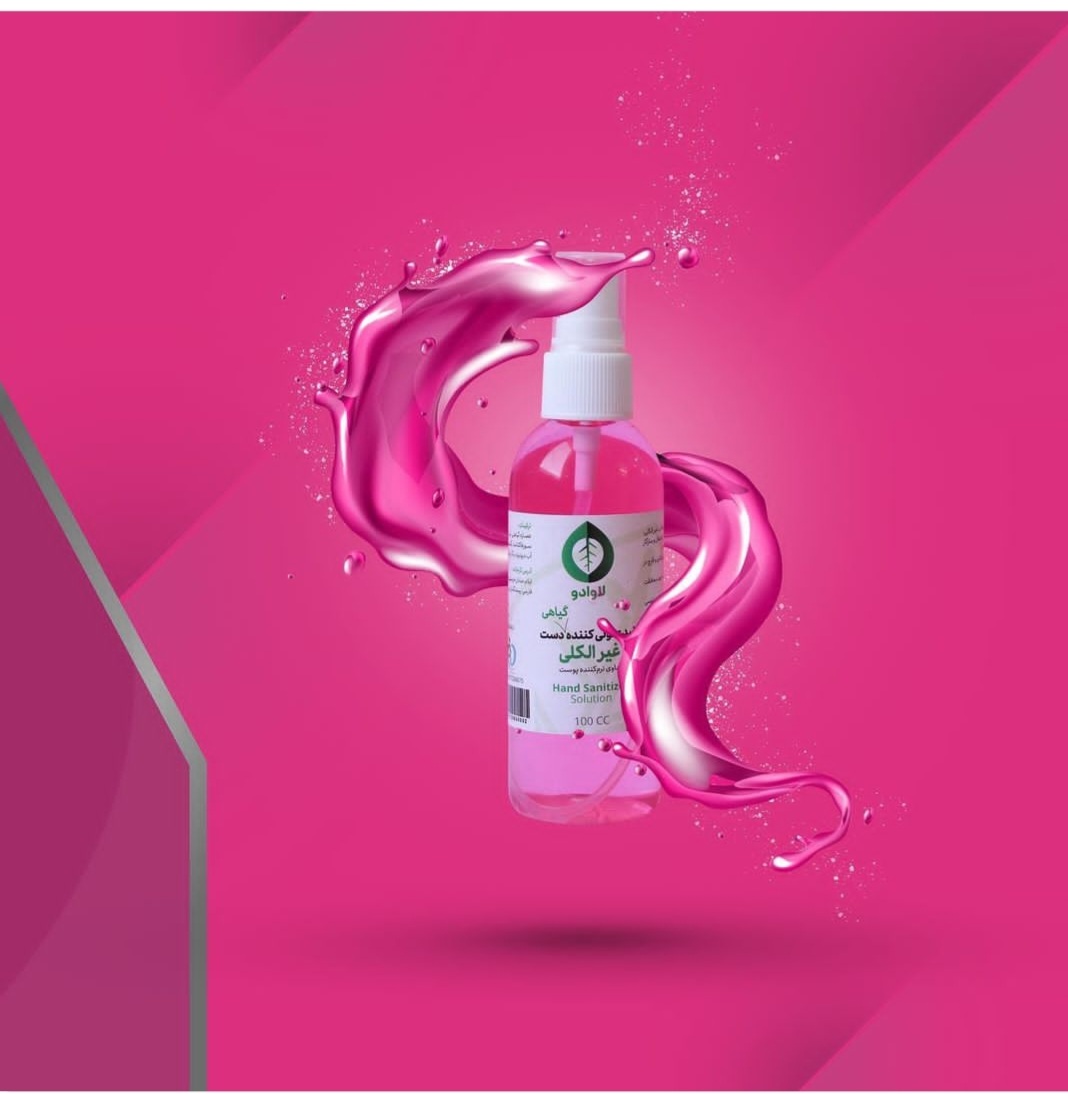
keywords related to pharmaceutical challenge: the non-alcoholic hand sanitizer
pharmaceutical, hand sanitizer, alcoholic disinfectant, non-alcoholic disinfectant, alcoholic hand sanitizer,
non-alcoholic hand sanitizer, disinfectant,
About the authors
Maryam Vanaee with a master’s degree in chemistry in 2017 and immediately entered the related job market. She has worked as a director of research and development at a private chemical company. Maryam Vanaee wrote a several article such as pectin extraction review , Superabsorbent polymer review, Pectin In Jam, production of lipstick. She is also a member of Cademix Career Autopilot program – the acceleration program, and open to new opportunities. Please feel free to contact her:
WhatsApp:+98 0937 908 0089
Email address: maryam1370.vanaee@gmail.com
LinkedIn account: maryam.vanaee