
The recent global crisis COVID-19 has taken over our lives and unrecoverable changed our economy, society and lifestyle. Now how did that affect the food industry? and what big changes are imminent? In this article, we will discuss how the coronavirus has affected the food industry. In addition, what Agile management can do to adapt businesses to new life, especially food industry.
By Reza Moradmand, Cademix Institute of Technology
What is the Agile theory?
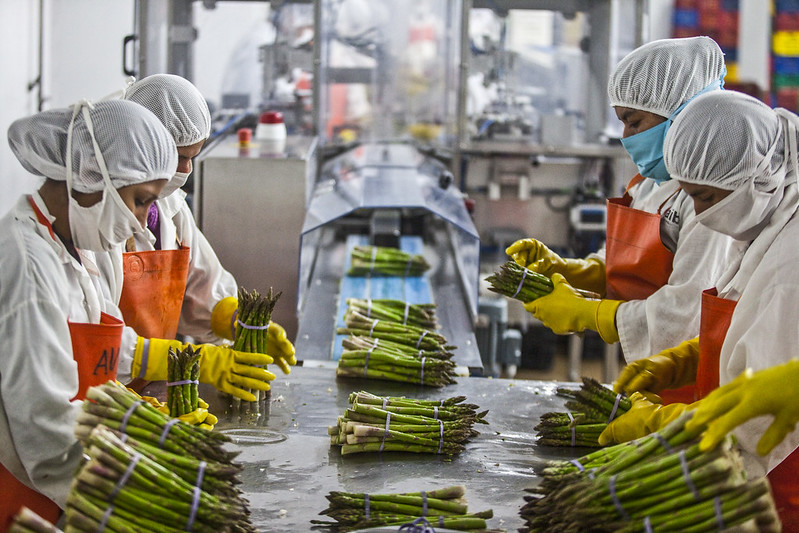
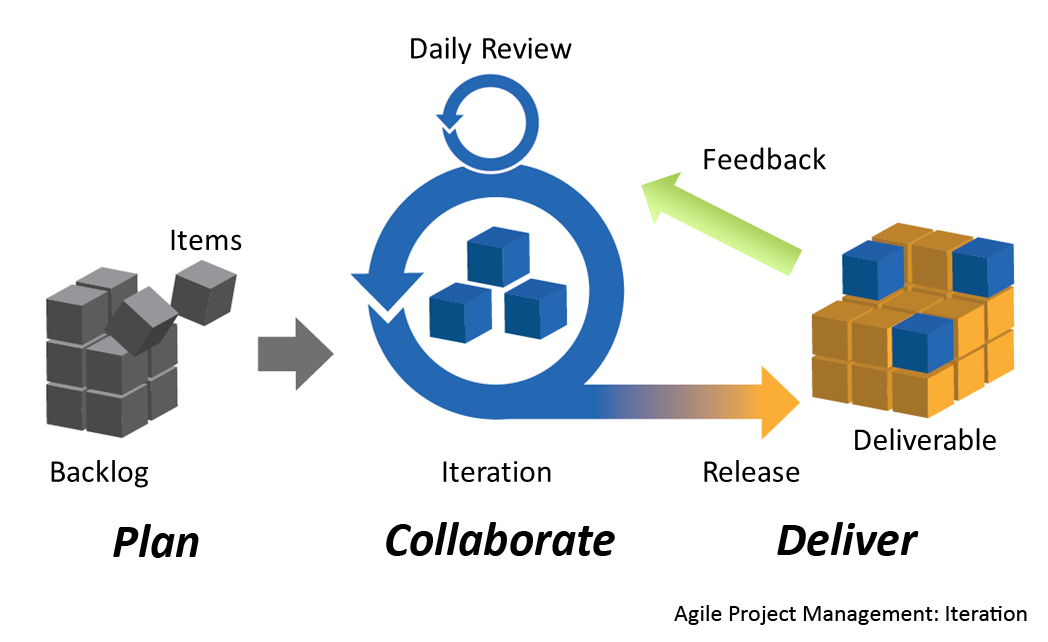
Agile is a set of techniques which is dividing project into different phases with continuous collaboration with customers. There is constant monitoring at each stage of the software development of the project. The advantages of the agile methodology are that the development and testing actions are parallel and synchronized. Their manifesto outlined a set of key principles, which are designed to ensure companies prioritize the right things; namely: customer satisfaction, collaboration, adapting to change, and more. There are several articles related to Agile managment in Cademix magazine too.
Types of Agile methodology
Here are several types of agile methodology available on the market to satisfy the desires of each project. Although there are several agile methodologies, everything is based on the fundamental principles of the agile declaration. So, Agile adapts this framework or behavior. Despite the different types of agile methodologies implemented by a team, the benefits of agile methodology can only be widely learned with the collaboration of all parties. There are primarily 8 important types of Agile Methodology: Kanban/Scrum/Extreme Programming (XP)/Crystal/Dynamic Systems Development Method (DSDM)/Feature Driven Development (FDD)/Lean Software Development/Scaled Agile Framework (SAFe).

Effect of Covid-19 on food systems
Every industry in the world expects to see how the COVID-19 outbreak will affect the manufacturing industry. However, the difference in the food industry from other industries is to produce products that are essential for daily. If one factory closes, a certain number of people who works at these factories have the potential to starve. However if processors and distributors infected, all people are at risk. Addition, the food industry is a very important sector in regard to economy.
However, food sector faces different challenges compared with other sectors that are not critical for daily life. For example tourism and aviation during a pandemic. Food companies face various challenges due to a drop in income. But others are working hard to meet the growing demand of retailers. During the current COVID-19 outbreak, some difficult decisions made, including temporarily shut down of the various businesses. This pandemic demonstrated different companies from different industries connected to each other all over the world.
Measures during the spread of Corona
According to research, COVID-19 does not have an impact on people like foot and mouth infection, bird flu, or Listeria. Society does not infect promptly by means of creatures or agrarian items (FAO, 2020a). As a result of the COVID-19 emergency, reaction plans for food workers were done for coherence of operations. They were in the food handling offices and oversee coronavirus within the food industry. Particularly, meat and birds preparing businesses can be characterized as the basic framework in food and farming. The arrange incorporates a progression of control prerequisites for cleaning, sanitation and cleaning of offices for COVID-19. It also included monitoring weak representatives and training programs for workers and employers to predict corona disease.
Consider that the world’s population will reach 9 billion by 2050. By the time, more pressure will put on the world’s food resources, from crops to livestock and fisheries. With the onset of the Covid-19 epidemic, food service operators and establishments did not order. So food supplies piled up in warehouses. At the same time, consumers were facing serious bottlenecks on supermarket shelves. Instead, companies have adapted operating and logistics models to serve different channels. They changed the way payments packaged, delivered, marketed, and accepted.
Flexible adaptability and operational capabilities enable some companies to succeed in this crisis. Unexpected changes in supply and demand require flexibility from both producers and consumers. Producers and consumers expect the food they need, when they need it, regardless of availability or seasonality. Traditionally, most food industries have made decisions based on consistent forecasts. They take into account last year’s sales, seasonality, and other market conditions. Today, we need to make a big difference in how we move food from the farm to the table.
Why the industry needs an Agile food system?
Looking to the future, we need an agile food system. You Must be flexible and adaptable to unexpected disorders. We need to eliminate food waste and reduce the time and distance that food has to travel. There is no doubt that the coronavirus pandemic has fundamentally changed the way we live, work and do business. It also has a profound effect on how we view our food system and its vulnerabilities. With the start of quarantine, the rapid spread of the virus through processing facilities disrupted traditional supply chains.
The ripple effects felt equally by manufacturers, retailers and consumers. In the short term, the food industry suffered from supply and demand mismatches. Too many foods cultivated in farmers’ fields and ruined in warehouses. In the early days of the pandemic, shoppers found empty supermarket shelves, although there wasn’t really a shortage of groceries. Then Foods originally packaged in unbearable bulk quantities for customers and restaurants that might have gone directly to consumers. For example, big slices of meat. This is an opportunity for the industry to do so much. In the long run, it will be more efficient and environmentally friendly. That’s why we need agile food system.
Three elements of Agile system
There are three elements needed to create an agile food system. They are flexible operations, data and technology, and intelligent and adaptable packaging. Incorporating these factors into the food supply chain enhances the resilience and improvement of the system of Domestic food. Every player in the supply chain needs to evolve and adapt to new conditions. How can you better adapt your food business to rapidly changing business conditions? The forecasting and planning process needs to adapt to changing markets. Currently, they can adjust their plans monthly, weekly, or even daily for COVID 19.
The following three elements for food system can help :
1. Can I collect, compile, and present data in a timely manner?
2. Is there a mechanism for stakeholders to provide feedback and identify resource needs and barriers?
3. Is the team in line with their ultimate goal? can they easily change their plans based on new information?
How can Agile help ?
According to agile food system’s three elements, Innovation will no question play a vital part in expanding food structure. The proper data can prompt companies to respond quickly to supply and demand issues. It also Reduces food waste by increasing sales rates and supply surpluses with real-time demand data.
Smart packaging can tell buyers if an egg carton, is still fresh and safe to eat – out of date. While information is key to a skillful future, there is also the problem of packaging designs. As COVID-19 broke out, food service makers made major assumptions about their food delivery and packaging in large multi-meal designs.
There is a range where future tech development may make a significant distinction. Temporary solutions—like physically breaking down bulk meat into littler parcels for consumers—doesn’t completely address the require. Measured packaging arrangements permit littler packs of things to be stacked into bigger packages. They have less effects on the environment. Surely, the food system will not reach agility overnight. Considering the current crisis as an opportunity for change, the industry can ensure that it wastes less food. It consumes more wisely and conserves valuable resources by incorporating the elements of an agile food supply chain.
Keyword related to Agile management in food industry during Corona Pandemic
Agile management, agile system, agile elements, agile methodology, food industry, food service, covid-19, corona, food , consumers, costumers, meals, data and technology, Measured packaging, wastes food, crisis, food supply chain, stakeholders, intelligent and adaptable packaging, manufacturers, retailers, Domestic food, Smart packaging, data, shortage, quarantine. Agile software, agile development, agile teams, agile software development, agile manifesto , iteration, agile methods, iterative, waterfall , sprint , user stories , Backlog, agile approach, agile process, scrum master, incremental , product owner , agile team , agile practices, stakeholder, agile principles, product backlog, continuous delivery, lifecycle , agile scrum , Business value , agile processes , deliverables , project manager, development methodology , testers , scaling , software project , user story , cross functional, test driven development.
About the Author
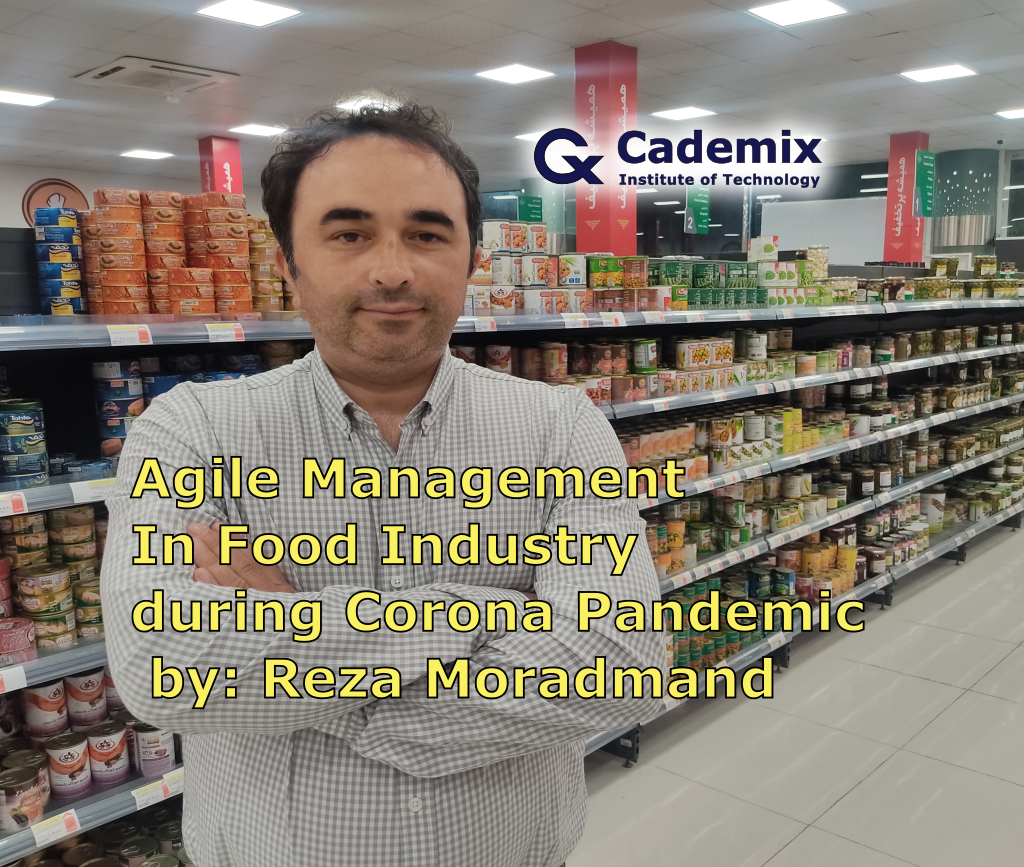
Reza Moradmand is a graduate of Mine engineering from the Tehran Azad University and an industrial expert in the field of Marketing. He has also interest in non technical topics and Food industry. He is also a member of Cademix Career Autopilot. Please feel free to contact him for further inquiries or new opportunities.
Email: RAMORADMAND@gmail.com
Phone and Whats-app number: +9101852843
LinkedIn: linkedin.com/in/reza-moradmand-8ba710222