

Maintaining good eye health is crucial for professionals who spend long hours working on computers, reading, or engaging in other visually demanding tasks. Regular eye check-ups are essential for detecting and addressing vision problems early. This article provides self-care advice and practical tips for professionals to maintain optimal eye health and ensure their vision remains clear and comfortable.
eye check up, eye health, self-care tips, vision care for professionals, maintaining eye health, computer vision syndrome, professional eye care, eye check-up benefits
Importance of Regular Eye Check Ups
Early Detection of Eye Conditions
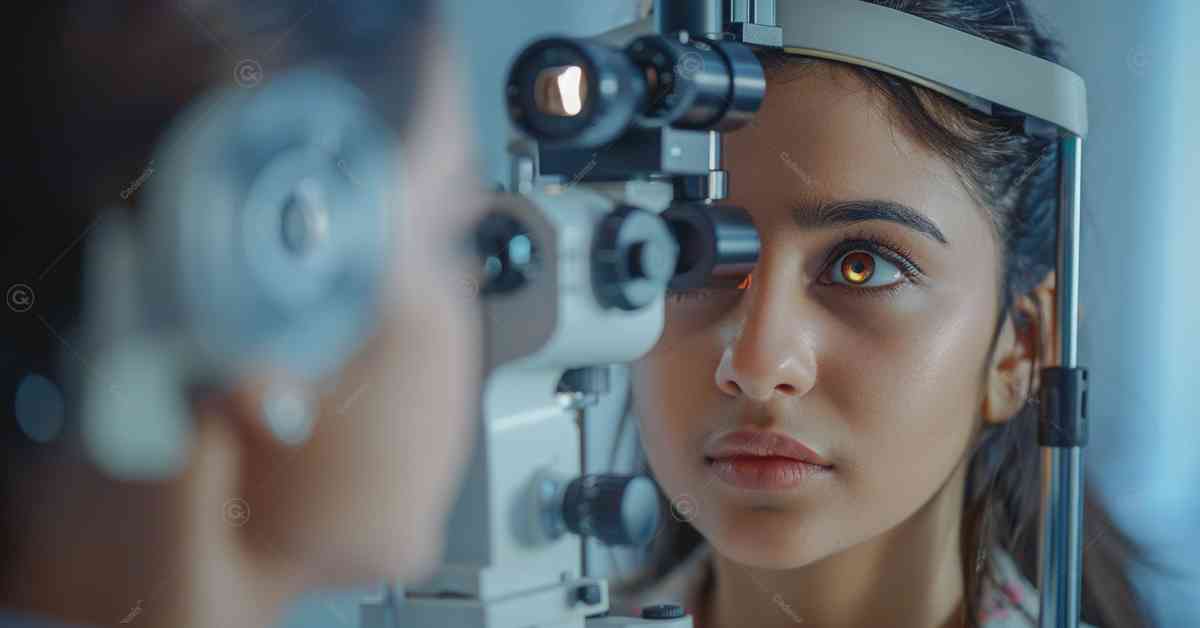
Regular eye check-ups can help detect eye conditions such as glaucoma, cataracts, and macular degeneration early, allowing for timely treatment and preventing further vision loss.
Updated Prescriptions
Professionals often experience changes in their vision due to prolonged screen time and aging. Regular eye check up ensure that your prescription is up-to-date, providing clear and comfortable vision.
Overall Health Monitoring
Eye exams can reveal signs of systemic conditions such as diabetes, hypertension, and high cholesterol. Early detection of these issues can lead to better overall health management.
Self-Care Tips for Maintaining Eye Health
Schedule Regular Eye Exams
Frequency of Eye Check Up
Adults should have a comprehensive eye exam every one to two years, depending on age, health, and risk factors. Those with a higher risk of eye disease or who wear contact lenses may need more frequent exams.
Finding an Eye Care Professional
Choose a reputable eye care professional, such as an optometrist or ophthalmologist, for your regular eye check-ups. Seek recommendations from colleagues or read reviews online to find a trusted provider.

Reduce Digital Eye Strain
Follow the 20-20-20 Rule
To reduce digital eye strain, follow the 20-20-20 rule: every 20 minutes, look at something 20 feet away for at least 20 seconds. This helps relax your eye muscles and reduce fatigue.
Adjust Your Workspace
- Screen Position: Ensure your computer screen is about an arm’s length away and slightly below eye level.
- Lighting: Use proper lighting to reduce glare on your screen. Avoid working in dark rooms with a bright screen.
- Font Size and Contrast: Adjust the font size and contrast on your screen to make reading more comfortable.
Practice Good Hygiene with Contact Lenses
Proper Cleaning and Storage
Always clean and store your contact lenses according to the manufacturer’s instructions. Use the recommended contact lens solution and replace your lens case regularly to prevent infections.

Follow Replacement Schedules
Adhere to the replacement schedule prescribed by your eye care professional. Do not extend the use of daily, bi-weekly, or monthly lenses beyond their recommended duration.
Wear Protective Eyewear
Blue Light Blocking Glasses
Consider wearing blue light blocking glasses if you spend extended periods in front of digital screens. These glasses can reduce the amount of blue light reaching your eyes, minimizing eye strain.

Safety Glasses
If your profession involves exposure to potential eye hazards, such as construction or laboratory work, always wear appropriate safety glasses to protect your eyes from injury.
Maintain a Healthy Lifestyle
Balanced Diet
Eat a diet rich in eye-healthy nutrients such as vitamins A, C, and E, as well as omega-3 fatty acids. Foods like carrots, leafy greens, and fish are excellent for maintaining good vision.

Stay Hydrated
Drink plenty of water throughout the day to keep your eyes hydrated and reduce dryness.
Exercise Regularly
Regular physical activity improves blood circulation, which is beneficial for eye health. Exercise can also help manage systemic conditions like diabetes and hypertension, which can affect vision.
Manage Allergies and Dry Eyes
Use Artificial Tears
If you experience dry eyes, use artificial tears to keep your eyes moist and comfortable. Choose preservative-free options to avoid irritation.
Avoid Allergens
Minimize exposure to allergens that can irritate your eyes. Keep your work environment clean and consider using air purifiers if necessary.
Protect Your Eyes from UV Rays
Wear Sunglasses
Wear sunglasses with 100% UV protection whenever you are outdoors, even on cloudy days. This protects your eyes from harmful UV rays and reduces the risk of cataracts and other eye conditions.
Wide-Brimmed Hats
In addition to sunglasses, wear a wide-brimmed hat to provide extra protection from the sun.
Take Regular Breaks
Short Breaks
Incorporate short breaks into your work routine to rest your eyes. Even a brief pause every hour can help reduce eye strain and fatigue.
Blink More Often
Make a conscious effort to blink more often, especially when working on a computer. Blinking helps keep your eyes lubricated and reduces dryness.
Monitor Your Symptoms
Be Aware of Changes
Pay attention to any changes in your vision, such as blurriness, double vision, or difficulty focusing. Report these changes to your eye care professional promptly.
Seek Professional Advice
If you experience persistent symptoms like eye pain, redness, or excessive tearing, seek advice from an eye care professional and do eye check up. Early intervention can prevent more serious problems.
Conclusion
Maintaining good eye health is essential for professionals who rely heavily on their vision for work. Regular eye check-ups, reducing digital eye strain, practicing good hygiene with contact lenses, wearing protective eyewear, maintaining a healthy lifestyle, managing allergies and dry eyes, protecting your eyes from UV rays, and taking regular breaks are all important self-care practices. By following these tips and seeking professional advice when needed, you can ensure your eyes remain healthy and your vision stays sharp.
For more information on eye health and regular check-ups, visit the American Optometric Association (AOA).
Learn about reducing digital eye strain from the American Academy of Ophthalmology (AAO).
Explore eye-healthy diet tips from the National Eye Institute (NEI).