Eye exams are a crucial part of maintaining optimal vision and overall eye health. This comprehensive guide covers everything you need to know about eye exams, including the types of exams, what to expect during the process, the importance of regular check-ups, and how to prepare for your appointment.
eye exam, vision health, eye care, optometrist, ophthalmologist, vision tests, eye health, comprehensive eye exam, eye examination, eye doctor
The Importance of Regular Eye Tests
Detecting Vision Problems Early
Regular exams are essential for detecting vision problems early, including refractive errors like myopia (nearsightedness), hyperopia (farsightedness), astigmatism, and presbyopia. Early detection allows for timely intervention, preventing further deterioration of vision.
Monitoring Eye Health
Eye exams help monitor the overall health of your eyes and can detect early signs of eye diseases such as glaucoma, cataracts, macular degeneration, and diabetic retinopathy. Early diagnosis and treatment can prevent serious complications and vision loss.
Overall Health Indicators
Your eyes can reveal a lot about your overall health. Conditions such as diabetes, high blood pressure, and high cholesterol can be detected through a comprehensive eye exam. Regular eye check-ups can contribute to early diagnosis and management of these systemic health issues.
Types of Eye Exams
Comprehensive Eye Exams
A comprehensive exam is a thorough assessment of your vision and eye health, performed by an optometrist or ophthalmologist. This exam typically includes several tests to evaluate different aspects of your vision and eye health.

Pediatric Eye Exam
Pediatric eye exams are tailored to the needs of children and are essential for detecting vision problems that can affect a child’s development and learning. Early eye exams can help identify issues such as amblyopia (lazy eye) and strabismus (crossed eyes).
Senior Eye Exam
As we age, our eyes are more susceptible to certain conditions like cataracts, glaucoma, and macular degeneration. Senior eye exams focus on detecting and managing age-related eye conditions to maintain good vision and eye health.
Diabetic Eye Exam
People with diabetes are at higher risk for eye diseases like diabetic retinopathy. A diabetic eye exam involves a thorough examination of the retina to detect any changes or damage caused by diabetes.
What to Expect During an Exam
Initial Consultation
The eye exam typically begins with a consultation where the eye care professional will ask about your medical history, any vision problems you’re experiencing, and any medications you’re taking. This information helps guide the examination process.
Visual Acuity Test
The visual acuity test measures how clearly you see at various distances using an eye chart. This test helps determine the extent of any refractive errors and the need for corrective lenses.
Refraction Assessment
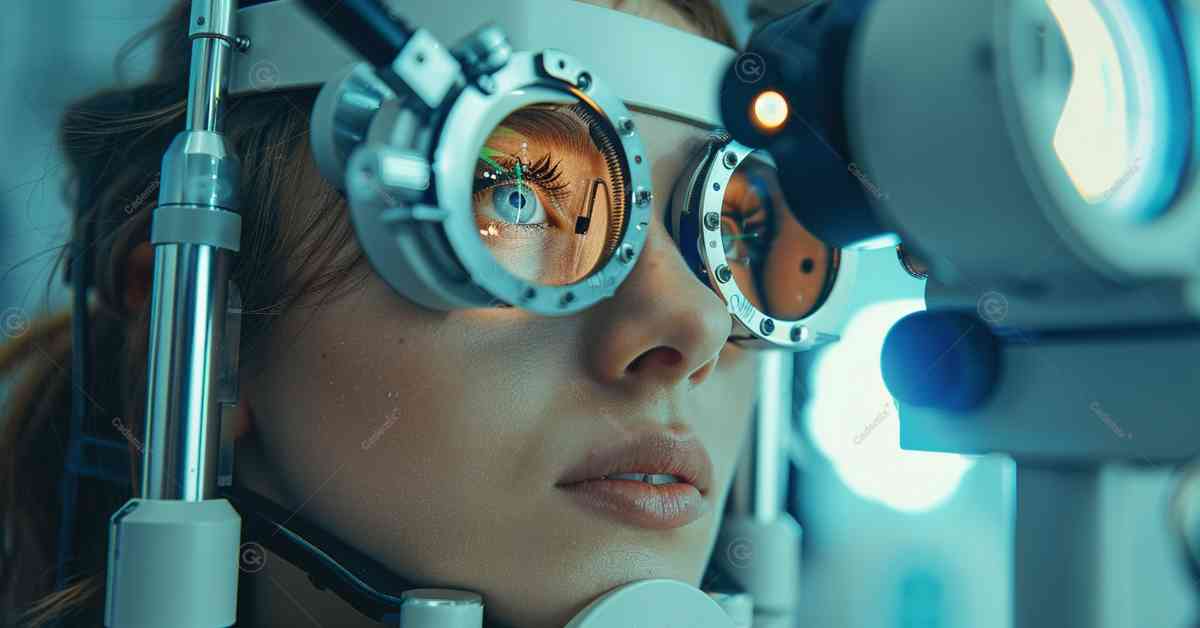
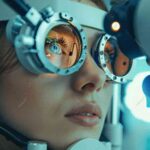
The refraction assessment determines the exact prescription needed for your glasses or contact lenses. The eye care professional uses a phoropter or an automated instrument to measure how light rays are focused on the retina.
Slit-Lamp Examination
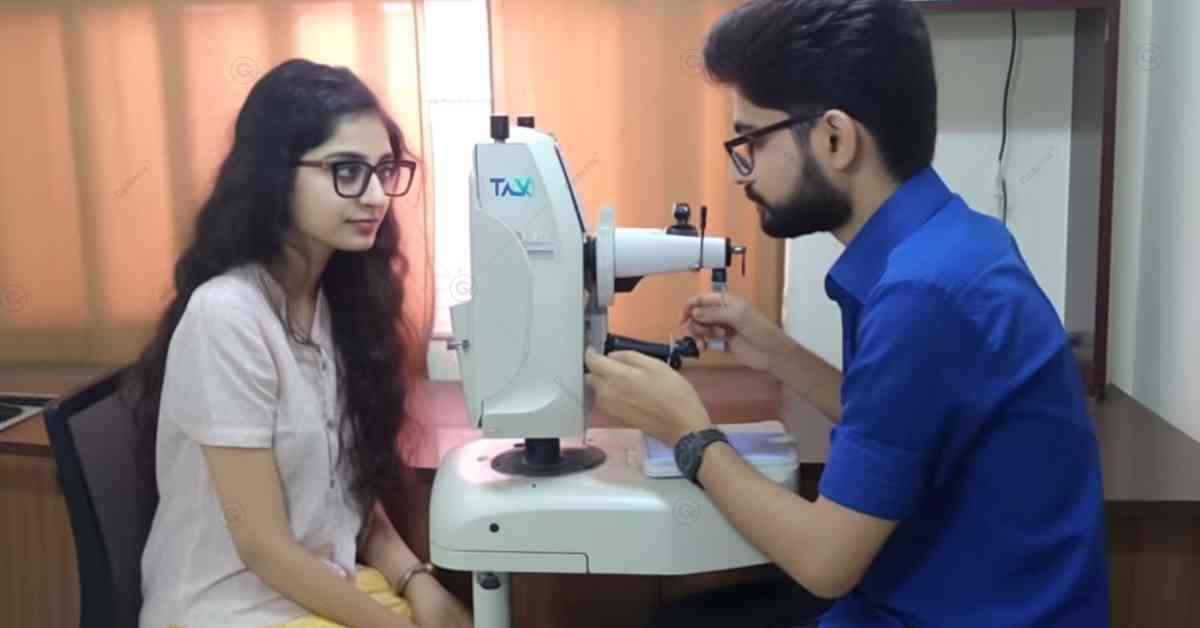
The slit-lamp examination allows the eye care professional to examine the structures of your eyes under high magnification. This test helps detect conditions such as cataracts, corneal injuries, and retinal disorders.
Retinal Examination
The retinal examination involves dilating your pupils to get a clear view of the retina, optic nerve, and blood vessels at the back of the eye. This test is crucial for detecting diseases like glaucoma, macular degeneration, and diabetic retinopathy.
Intraocular Pressure Measurement
This test measures the pressure inside your eyes to screen for glaucoma. Elevated intraocular pressure can indicate the presence of glaucoma, a condition that can lead to vision loss if not treated.
Additional Tests
Depending on your age, medical history, and symptoms, the eye care professional may perform additional tests such as color vision testing, depth perception, visual field testing, and imaging tests like optical coherence tomography (OCT).
Preparing for Your Eye Exam
Schedule Regular Appointments
Schedule regular eye exams based on your age, risk factors, and any existing eye conditions. Adults should have a comprehensive eye exam every two years, while children, seniors, and individuals with certain risk factors may need more frequent exams.
Bring Your Medical History
Bring a list of your current medications, any known allergies, and your medical history to the appointment. This information helps the eye care professional understand your overall health and any factors that may affect your vision.
Prepare a List of Questions
Prepare a list of questions or concerns you have about your vision or eye health. Discussing these with your eye care professional ensures you get the most out of your exam and understand how to care for your eyes.
Bring Your Current Eyewear
Bring your current glasses or contact lenses to the appointment. This allows the eye care professional to assess your current prescription and make any necessary adjustments.
Importance of Specialized Eye Exams
Pediatric Eye Exams
Pediatric exams are essential for early detection of vision problems that can impact a child’s development. Early intervention can improve outcomes for conditions like amblyopia and strabismus, supporting better visual and overall development.
Senior Eye Exams
As people age, the risk of developing eye diseases such as cataracts, glaucoma, and macular degeneration increases. Regular senior exams can help detect these conditions early, allowing for timely treatment and better management of vision health.
Diabetic Eye Exams
Diabetic eye exams are crucial for individuals with diabetes, as they are at higher risk for developing diabetic retinopathy and other eye conditions. Regular monitoring can prevent severe vision loss through early detection and management.
The Role of Technology in Eye Exams
Optical Coherence Tomography (OCT)
OCT is an advanced imaging technique that provides detailed cross-sectional images of the retina. It is used to diagnose and monitor conditions like macular degeneration, diabetic retinopathy, and glaucoma.
Fundus Photography
Fundus photography involves taking detailed images of the back of the eye, including the retina, optic disc, and blood vessels. These images are essential for diagnosing and monitoring various eye conditions.
Corneal Topography
Corneal topography maps the surface curvature of the cornea, helping diagnose conditions like keratoconus and plan for refractive surgeries such as LASIK.
Visual Field Testing
Visual field testing assesses the peripheral vision and detects blind spots, which can indicate conditions like glaucoma or neurological issues affecting the visual pathways.
Maintaining Eye Health Between Exams
Healthy Diet
A balanced diet rich in vitamins and nutrients supports eye health. Key nutrients include vitamin A, vitamin C, vitamin E, omega-3 fatty acids, and zinc. Foods like leafy greens, fish, fruits, and nuts are beneficial for maintaining good vision.
Regular Exercise
Regular physical activity improves blood circulation, which is beneficial for eye health. Exercise can help reduce the risk of conditions like diabetes and high blood pressure, which can affect the eyes.
Protecting Your Eyes
Wear sunglasses that block 100% of UVA and UVB rays to protect your eyes from harmful ultraviolet radiation. Use protective eyewear when engaging in activities that could pose a risk of eye injury.
Limiting Screen Time
Prolonged screen time can cause digital eye strain. Follow the 20-20-20 rule: every 20 minutes, look at something 20 feet away for at least 20 seconds to reduce eye strain.

Proper Hygiene and Contact Lens Care
If you wear contact lenses, follow proper hygiene practices to prevent eye infections. Clean and store your lenses as recommended, and avoid sleeping in them unless prescribed.
Conclusion
Regular eye exams are essential for maintaining good vision and eye health. They allow for early detection and treatment of vision problems and eye diseases, ensuring optimal eye health and overall well-being. Whether it’s a comprehensive eye exam, a pediatric or senior exam, or specialized diabetic eye care, staying proactive about your eye health is crucial. For expert guidance and personalized eye care, schedule an appointment with your eye care professional today.
For more information on eye exams and eye health, visit the American Academy of Ophthalmology and American Optometric Association.
Explore our Acceleration Program and consultancy services at Cademix Institute of Technology.
For advanced imaging technology and eye exams, consider visiting Eye Clinic Vienna.
People also visited:

Technical Sales

When Fashion "Models" be replaced by AI and Robots?

Comprehensive Guide to Job CV Templates: How to Create, Customize, and Use Professional CVs for Job ...

Artificial Lights in Rendering Virtual Photo Realistic Scenes

Agile management In Food Industry during Corona Pandemic
Elektrochemische Biosensoren: Eine Revolution für Point-of-Care-Diagnostik – Ein Überblick

AI-Assisted SEO: Leveraging Artificial Intelligence for Optimal Search Engine Performance
Astigmatism: Insights and Treatment Options

Thermowood

Food and Agriculture Organization: Roles, Initiatives, and Impact on Global Agriculture

Leveraging GPT and AI for Career Coaching and Professional Development

The ABCs of Rental Inquiries in Germany and Austria: Effective Communication Tactics with Landlords

Career Guidance Essentials for International Students and Graduates

AI-Assisted Parametric Design: The Future of Architecture and Product Development

How to Use Copernicus Satellite Data to Detect Incidents: 10 Step Tutorial

How AI is Shaping Mobile App Development
Information Technology & Collaboration: The Key to thrive business teams

Agile Management in Marketing for Rapid Business Growth

Selection of Materials and Plastic Technology in Pharma

Success Story: Jackie Genbo Chen

Rethinking Doctoral Training: Gaps and Challenges in Achieving Long-Term Career Sustainability

Exploring Biofinity XR: Benefits, Features, and Considerations for Users

Maximizing Productivity in Hybrid Work Environments

AI Image Generation: Advanced Techniques for Optimizing Prompts in ChatGPT and MidJourney
Must-Reads for Job Seekers
People also visited:
Rethinking Doctoral Training: Gaps and Challenges in Achieving Long-Term Career Sustainability
Elektrochemische Biosensoren: Eine Revolution für Point-of-Care-Diagnostik – Ein Überblick
Comprehensive Guide to Job CV Templates: How to Create, Customize, and Use Professional CVs for Job ...
Agile Management in Marketing for Rapid Business Growth
Thermowood
Maximizing Productivity in Hybrid Work Environments
Food and Agriculture Organization: Roles, Initiatives, and Impact on Global Agriculture
How to Use Copernicus Satellite Data to Detect Incidents: 10 Step Tutorial
Agile management In Food Industry during Corona Pandemic
Information Technology & Collaboration: The Key to thrive business teams
Artificial Lights in Rendering Virtual Photo Realistic Scenes
Career Guidance Essentials for International Students and Graduates
How AI is Shaping Mobile App Development
AI Image Generation: Advanced Techniques for Optimizing Prompts in ChatGPT and MidJourney
Exploring Biofinity XR: Benefits, Features, and Considerations for Users
AI-Assisted SEO: Leveraging Artificial Intelligence for Optimal Search Engine Performance
AI-Assisted Parametric Design: The Future of Architecture and Product Development
Technical Sales
The ABCs of Rental Inquiries in Germany and Austria: Effective Communication Tactics with Landlords
Astigmatism: Insights and Treatment Options
Success Story: Jackie Genbo Chen
Selection of Materials and Plastic Technology in Pharma
When Fashion "Models" be replaced by AI and Robots?