
From Architectural Design to Construction:
The Role of a Building Technician in Successful Projects
Introduction
In modern construction, the success of a project depends on much more than a creative architectural concept. A building must not only look visually attractive but also meet technical requirements, construction standards, budget limitations, and long-term performance expectations. The transition from an architectural idea to a completed building requires professionals who understand both design principles and construction realities. This connection between creativity and technical execution is where the role of a Building Technician becomes essential. A Building Technician acts as a bridge between architectural design, engineering requirements, contractors, suppliers, and clients. By combining technical knowledge, construction experience, and project coordination skills, Building Technicians help transform concepts into practical and successful projects. Throughout my professional experience in architecture, design, and construction execution, I have learned that the quality of a project is often determined by the ability to connect design decisions with real-world construction processes.
The Connection Between Architectural Design and Construction
Architecture is often associated with creativity, aesthetics, and spatial design. However, successful buildings require a deeper understanding of how ideas become physical structures. A design can only achieve its full potential when it considers construction methods, material performance, technical limitations, and execution processes from the beginning. This is where technical knowledge becomes a fundamental part of architectural practice. Understanding how materials behave, how details are constructed, and how different building components interact allows designers to create solutions that are not only visually successful but also realistic and durable. A Building Technician contributes to this process by analyzing design concepts and ensuring that they can be translated into accurate technical solutions.

The ability to understand both architectural intentions and construction requirements creates significant value throughout the entire project lifecycle.
The Role of a Building Technician in Modern Construction Projects
Modern construction projects involve many different specialists, including architects, engineers, contractors, manufacturers, and clients. Without effective coordination between these participants, projects can face delays, increased costs, and technical challenges. A Building Technician supports project development by connecting these different areas of expertise.
Typical responsibilities include:
● Reviewing architectural drawings and technical documents
●Preparing and developing construction details
● Coordinating technical information between project participants
● Supporting material selection and construction solutions
● Identifying potential technical problems before construction
● Assisting with project planning and execution
● Supporting quality control during construction
The role is not limited to producing technical information. It requires understanding the relationship between design decisions, construction methods, and project objectives. A successful Building Technician helps ensure that the original design vision is maintained while meeting technical and practical requirements.
From Concept Design to Technical Documentation
One of the most important stages in construction is the transition from conceptual design to technical documentation. During the early design phase, architects focus on creating a vision for the project. However, this vision must later be developed into precise information that can guide construction teams. Technical documentation provides the foundation for successful execution. It includes:
● Detailed drawings
● Material specifications
● Construction methods
●Installation requirements
●Technical solutions for complex areas
A Building Technician plays an important role in developing this information and ensuring that design concepts are accurately communicated.
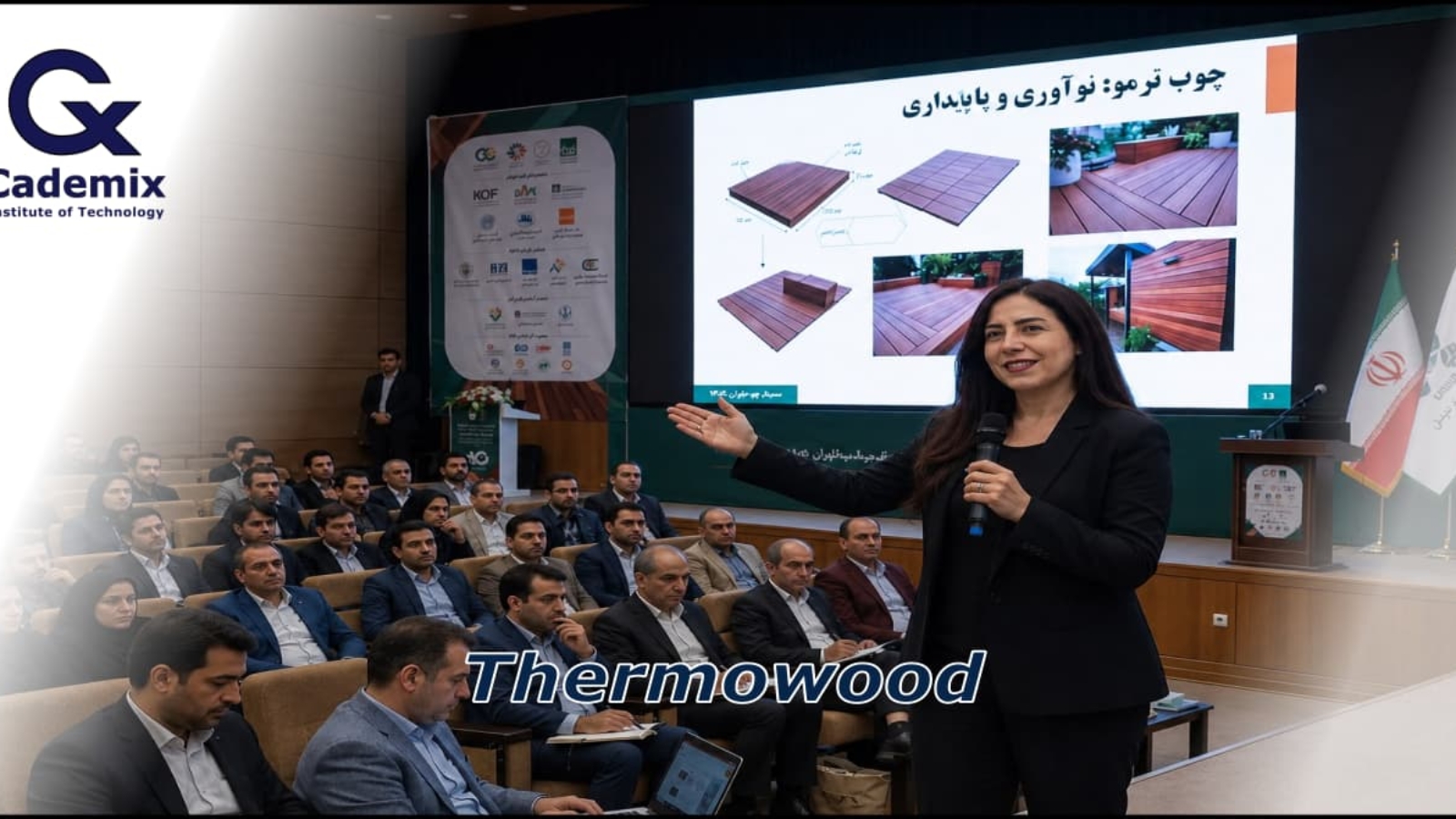
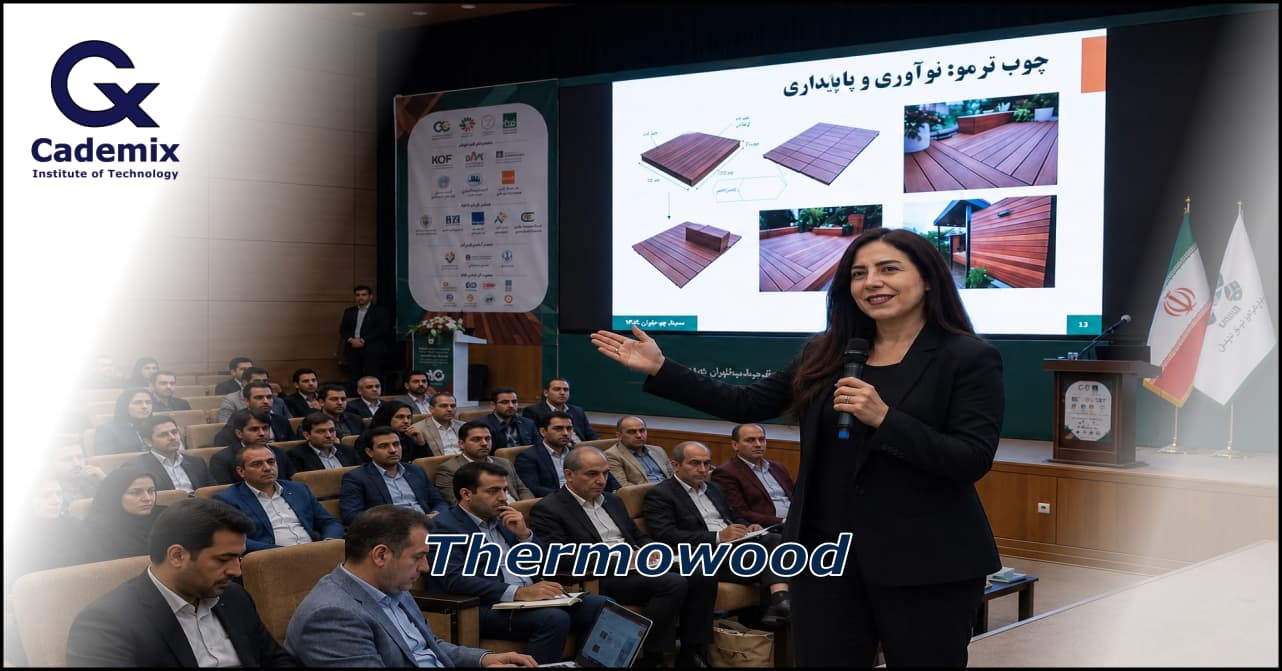
In my experience with architectural projects and specialized materials such as thermowood, the quality of technical detailing has a direct impact on the final result. A well-designed material system requires not only aesthetic consideration but also knowledge of installation methods, durability, and construction performance.
The Importance of Construction Details
Many construction challenges do not appear at the conceptual design stage. They appear during execution when different materials, systems, and building elements must work together.
Construction details are therefore one of the most important aspects of professional building design.
A successful technical solution requires attention to details such as:
● Material connections
●Weather protection
●Ventilation requirements
●Structural support systems
●Installation methods
●Long-term maintenance considerations
For example, in timber facade projects, including thermowood applications, correct detailing is essential to achieve durability and performance.
A beautiful facade design must also consider ventilation behind the cladding, proper fixing systems, moisture management, and compatibility between materials.
This combination of design understanding and technical knowledge is a key responsibility of a Building Technician.
Coordination Between Architects, Engineers, and Contractors
Construction projects are collaborative processes. Even the best design can face difficulties if communication between project participants is ineffective. A Building Technician helps create a common technical language between architects, engineers, suppliers, and contractors.
This coordination includes:
● Clarifying technical requirements
●Reviewing proposed solutions
●Resolving conflicts between design and execution
● Communicating changes effectively
●Supporting decision-making during the project
The ability to understand different professional perspectives is essential. Architects focus on design quality and user experience. Engineers focus on technical performance and safety. Contractors focus on practical execution. The Building Technician connects these perspectives and helps create solutions that satisfy all project requirements.

Site Supervision and Problem Solving During Construction
Construction rarely follows the original plan perfectly. During execution, unexpected conditions, material limitations, or technical issues may require adjustments. Site supervision and problem-solving skills are therefore critical components of construction expertise.
A Building Technician involved in site activities can:
●Monitor construction progress
●Review completed work quality
● Identify technical problems
● Coordinate solutions with project teams
● Ensure that design intentions are respected
My professional experience in design and execution has shown me that practical construction knowledge is developed through direct involvement with real projects.
Understanding how decisions affect the construction process allows professionals to make better technical recommendations and reduce project risks.
Material Knowledge and Sustainable Construction Solutions
The construction industry is increasingly focused on sustainability, durability, and responsible material selection. Modern professionals need to understand not only how buildings are designed, but also how materials contribute to environmental performance and long-term value.
Materials such as thermowood demonstrate how technical knowledge can support sustainable construction approaches.
Thermowood applications in:
●Building facades
●Outdoor structures
● Decking systems
● Pergolas
● Landscape elements
require careful consideration of design, installation, and maintenance.
A Building Technician with material knowledge can support better decisions by evaluating both aesthetic goals and technical performance.
This approach creates buildings that are not only attractive but also durable and functional.
The Relationship Between Building Technicians and Project Technicians
Although the roles of Building Technician and Project Technician have different focuses, they often work closely together.
A Project Technician typically focuses on:
● Project coordination
●Technical documentation
● Communication between disciplines
●Supporting project planning
A Building Technician focuses more on:
● Construction solutions
●Building systems
●Technical execution
●Practical implementation
In many construction companies, these responsibilities overlap, especially in projects where professionals are required to manage both technical and coordination tasks.
Professionals with architectural backgrounds and construction experience can provide significant value because they understand both the creative and technical aspects of building development.
The Future of Building Technicians in the Construction Industry
The construction industry is becoming more complex. New technologies, sustainability requirements, advanced materials, and increasing customer expectations are changing how projects are developed and executed.

Future construction professionals will need a combination of skills:
● Architectural understanding
● Technical knowledge
●Digital skills such as CAD and BIM
●Project coordination abilities
● Material expertise
● Communication skills
Building Technicians represent an important connection between different areas of construction.
They help companies improve efficiency, reduce mistakes, and deliver higher-quality projects.
Conclusion
A successful construction project requires more than a good design. It requires professionals who understand how ideas become reality. The role of a Building Technician is to connect architectural vision with technical execution. By combining design knowledge, construction experience, and project coordination skills, Building Technicians contribute significantly to the success of modern buildings. My experience in architecture, construction, material selection, and project execution has shown me that the strongest results are achieved when creativity and technical expertise work together. The future of construction belongs to professionals who can bridge the gap between design and execution, creating practical, sustainable, and valuable solutions for clients and project teams.
References and Further Reading
For further information about building technology, construction processes, and professional standards in the construction industry, the following resources provide valuable insights:
Austrian Federal Chamber of Architects and Chartered Engineering Consultants (Kammer der Ziviltechniker:innen) https://www.arching.at
Building Information Modeling (BIM) and digital construction information resources
European construction and sustainability information resources
https://single-market-economy.ec.europa.eu/sectors/construction_en
Thermowood technology and sustainable timber solutions https://thermowood.fi
These resources provide additional perspectives on construction technology, digital transformation, sustainable materials, and the evolving role of technical professionals in modern building projects.