

Becoming an optometrist is a rewarding career path that involves extensive education, training, and dedication to eye health. This guide provides an educational overview of the steps required to become an optometrist in Europe, specifically focusing on Central Europe, including Germany. We will cover educational requirements, essential skills, and tips for job seekers to excel in this field.
become an optometrist, optometry career, eye care professional, optometrist education, optometrist training, eye health, optometry job tips, Central Europe optometry, Germany optometry
Educational Requirements
Pre-University Education
Before pursuing a degree in optometry, aspiring optometrists should have a strong foundation in science subjects. High school courses in biology, chemistry, physics, and mathematics are essential. In Germany, students typically complete the Abitur, which qualifies them for university education. Good grades in science subjects will be beneficial when applying to optometry programs.
University Degree
In Germany and many other European countries, to become an optometrist requires completing a university degree in optometry. These programs are often Bachelor of Science (B.Sc.) degrees, typically lasting three to four years. Universities such as the University of Applied Sciences in Munich and the Beuth University of Applied Sciences Berlin offer optometry programs.
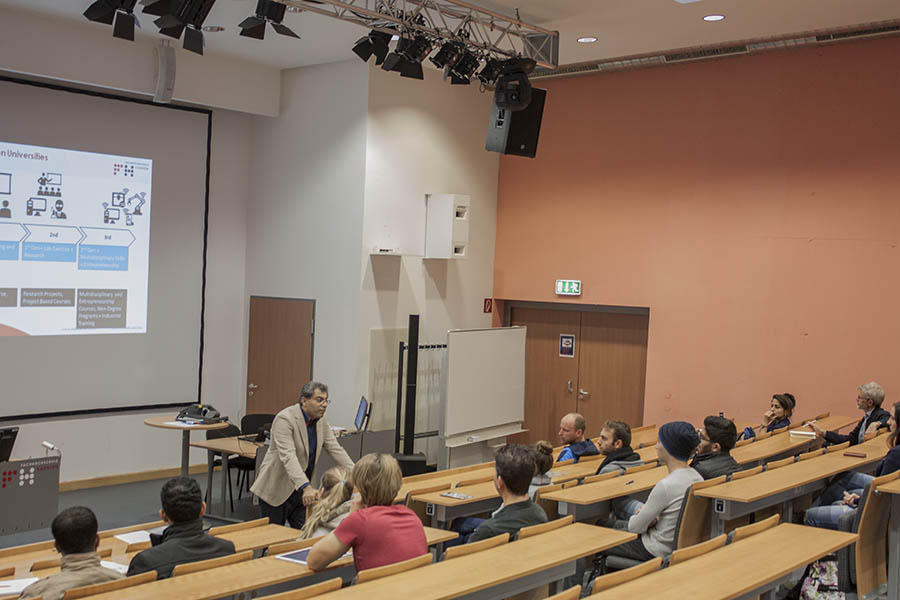
During the program, students will study various subjects, including:
- Anatomy and Physiology of the Eye: Understanding the structure and function of the eye.
- Optical Physics: Learning about light and optics as they pertain to vision.
- Visual Science: Studying how vision works and the processes involved in seeing.
- Clinical Practice: Gaining hands-on experience in diagnosing and treating eye conditions.
Postgraduate Training
After obtaining a bachelor’s degree, further specialization and training are often required. Some countries require a Master of Science (M.Sc.) in Optometry, which includes advanced clinical training. This postgraduate education provides deeper knowledge and skills necessary for complex eye care.
In Germany, the Philipps-Universität Marburg offers a postgraduate Master of Science in Clinical Optometry. This program includes advanced clinical training and research components, preparing graduates for high-level practice in optometry.
Licensing and Certification
Once the educational requirements are fulfilled, optometrists must obtain a license to practice. The requirements for licensure vary by country. In Germany, optometrists must pass the Staatsexamen (State Examination) and register with the appropriate health authorities. Continuous professional development and adherence to regulatory standards are essential for maintaining licensure.
Essential Skills for Optometrists
Technical Skills
Optometrists must be proficient in using various diagnostic instruments and technologies. This includes:
- Ophthalmoscopes: For examining the interior structures of the eye.
- Autorefractors: For measuring refractive errors.
- Slit Lamps: For detailed examination of the anterior segment of the eye.
Hands-on training during university programs and internships helps develop these technical skills. Staying updated with the latest advancements in optometry equipment and techniques is crucial for providing high-quality care.

Interpersonal Skills
Effective communication and interpersonal skills are vital for optometrists. They need to explain complex medical information in a way that patients can understand. Additionally, building a rapport with patients is essential for ensuring compliance with treatment plans and fostering a positive patient experience.
Optometrists often work as part of a healthcare team, requiring collaboration and clear communication with colleagues. Attending workshops and training sessions on communication skills can enhance these abilities.
Analytical Skills
Optometrists must possess strong analytical and problem-solving skills. They need to interpret diagnostic tests accurately, make precise diagnoses, and develop effective treatment plans. This requires critical thinking and attention to detail.
Engaging in continuous education and attending professional conferences, such as those organized by the European Academy of Optometry and Optics, can help optometrists stay abreast of the latest research and advancements in the field.
Tips for Job Seekers in Optometry
Gain Practical Experience
Practical experience is invaluable for aspiring optometrists. Internships, part-time jobs, and volunteer positions in eye care clinics provide hands-on experience and enhance clinical skills. These experiences also make candidates more attractive to potential employers.
In Germany, students can seek internships through university programs or optometry clinics. Networking with professionals in the field can lead to internship opportunities and valuable mentorship.

Build a Strong Professional Network
Networking is crucial for career development. Joining professional organizations such as the German Association of Optometrists and attending industry conferences can help build connections with other optometrists and eye care professionals. Networking can lead to job opportunities, collaborations, and staying informed about industry trends.
Participating in online forums and social media groups related to optometry can also provide networking opportunities and insights into the profession.
Stay Informed About Industry Trends
The field of optometry is continually evolving, with new technologies and treatment methods emerging regularly. Staying informed about the latest trends and advancements is essential for providing the best patient care. Reading professional journals, attending workshops, and participating in continuing education programs are effective ways to stay updated.
Resources like the European Council of Optometry and Optics provide valuable information on industry developments and professional standards.
Prepare a Strong CV and Cover Letter to become an optometrist
A well-crafted CV and cover letter are crucial for making a positive impression on potential employers. Highlight your education, clinical experience, technical skills, and any certifications or specializations. Tailor your CV and cover letter to the specific job you are applying for, emphasizing relevant experience and skills.
Utilizing templates and resources from professional organizations, such as the Optometry Giving Sight, can help create an effective CV and cover letter.

Use Job Search Platforms
Utilize job search platforms that specialize in healthcare and optometry positions. Websites such as OptiJobs and Optometry Jobs Online list job openings for optometrists in various locations, including Central Europe. Regularly checking these platforms and setting up job alerts can help you stay informed about new opportunities.
Additionally, local job boards and university career services can provide information on job openings in your area.
Prepare for Interviews
Thorough preparation for interviews is essential. Research the practice or clinic you are applying to, understand their services and patient demographics, and be ready to discuss how your skills and experience align with their needs. Practice common interview questions and scenarios to improve your confidence and performance during the interview.
Mock interviews with mentors or career counselors can provide valuable feedback and help you refine your interview skills.

Conclusion
Becoming an optometrist in Central Europe, particularly in Germany, requires a combination of extensive education, practical experience, and the development of essential skills. By following the outlined steps and tips, job seekers can navigate their path towards a successful career in optometry. Engaging in continuous learning, networking, and staying informed about industry trends will ensure long-term success and fulfillment in this rewarding profession. For more information on optometry programs and professional development opportunities, visit the websites of the University of Applied Sciences in Munich, the Philipps-Universität Marburg, and the German Association of Optometrists.