
Astigmatism is a common vision condition that affects the curvature of the eye, leading to blurred or distorted vision. This article provides an in-depth exploration of astigmatism, covering its causes, symptoms, diagnosis, and various treatment options available to manage this condition.
By Jom Johnson Optometrist, Associate Researcher Cademix Institute of Technology
astigmatism, vision correction, eye health, refractive error, eye care, contact lenses for astigmatism, glasses , LASIK for astigmatism, cylindrical lenses, corneal shape
Understanding Astigmatism
What Is Astigmatism?
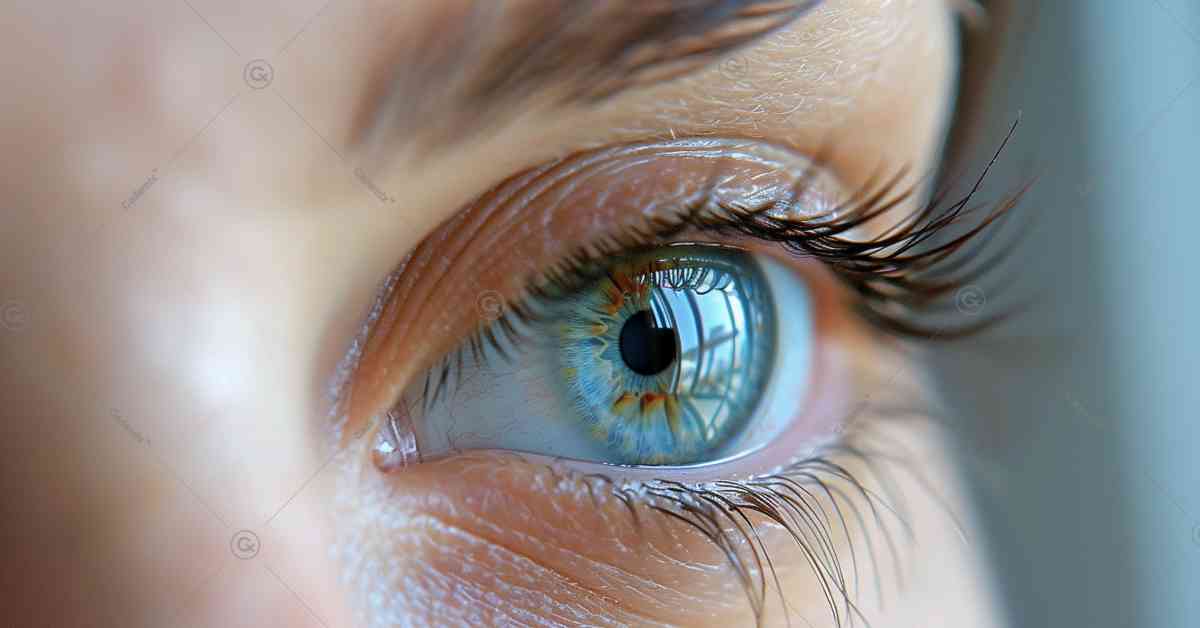
Astigmatism is a refractive error caused by an irregular curvature of the cornea or lens. In a normal eye, the cornea and lens are smoothly curved, allowing light to focus directly on the retina for clear vision. In an eye with astigmatism, the cornea or lens is shaped more like a football than a soccer ball, causing light to focus at multiple points on or in front of the retina, leading to blurred or distorted vision at all distances.
Types of Astigmatism
Astigmatism can be classified into two main types based on the location of the irregular curvature:
- Corneal Astigmatism: This occurs when the cornea is irregularly shaped.
- Lenticular Astigmatism: This occurs when the lens has an irregular shape.
Additionally, this can be categorized into:
- Regular Astigmatism: The meridians are perpendicular to each other.
- Irregular Astigmatism: The meridians are not perpendicular and may occur due to scarring or injury.
Causes
The exact cause of this is not entirely understood, but it is often hereditary. Other factors that can contribute to the development of astigmatism include:
- Eye Injuries: Trauma to the eye that causes scarring on the cornea.
- Eye Surgery: Certain surgeries can alter the shape of the cornea.
- Keratoconus: A progressive eye disease where the cornea thins and becomes cone-shaped.
- Corneal Scars: Scars from infections or injuries can cause irregularities in the cornea.
Symptoms
Common Symptoms
Individuals with astigmatism may experience a variety of symptoms, including:
- Blurred or distorted vision at all distances
- Eyestrain or discomfort
- Headaches, particularly after reading or doing close work
- Difficulty seeing at night
- Squinting to see clearly
When to See an Eye Care Professional
If you experience any of the symptoms mentioned above, it is essential to schedule an appointment with an eye care professional for a comprehensive eye exam. Early detection and treatment can prevent further vision problems and improve your quality of life.

Diagnosing Astigmatism
Comprehensive Eye Exam
A thorough eye examination is necessary to diagnose astigmatism. During the exam, the eye care professional will perform several tests to evaluate your vision and the shape of your cornea and lens.
Diagnostic Tests
Visual Acuity Test
This test measures how clearly you see at various distances using an eye chart. It helps determine the extent of your vision problem and the need for corrective lenses.
Keratometry
Keratometry measures the curvature of the cornea by analyzing the reflection of light off its surface. This test provides critical information about the cornea’s shape and helps in diagnosing corneal astigmatism.
Corneal Topography
Corneal topography creates a detailed map of the cornea’s surface curvature. It provides a more comprehensive analysis of the cornea’s shape and is particularly useful for detecting irregular astigmatism.
Refraction Assessment
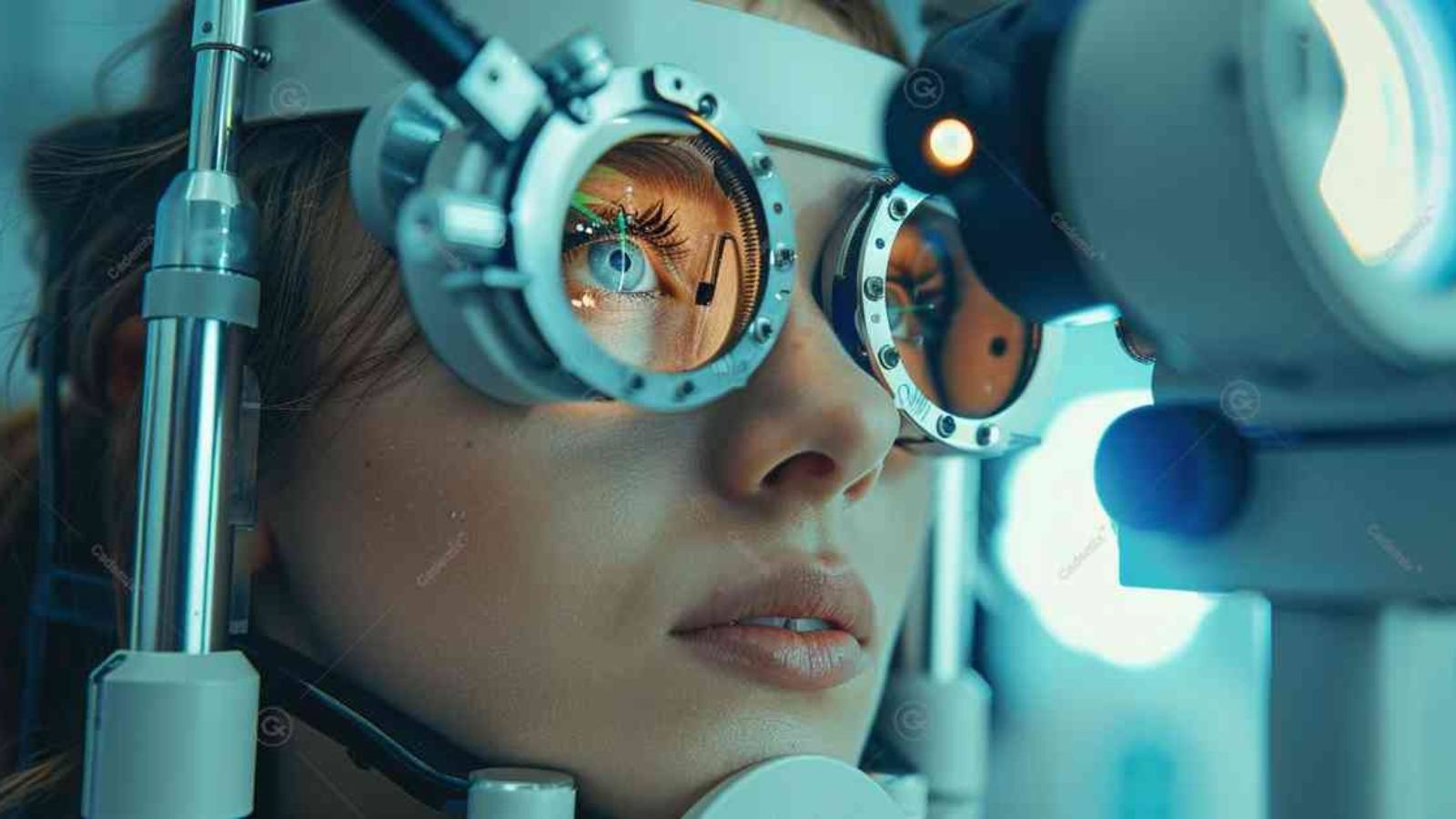
During refraction assessment, the eye care professional uses a phoropter or an automated instrument to determine the exact prescription needed to correct your vision. This test identifies the presence and degree of astigmatism, myopia, hyperopia, or presbyopia.
Various Treatment Options
Eyeglasses
Eyeglasses are a common and effective treatment this condition. They use cylindrical lenses that compensate for the irregular curvature of the cornea or lens, allowing light to focus correctly on the retina.

Contact Lenses
Contact lenses can also correct astigmatism. There are several types of contact lenses designed specifically for this condition:
Toric Contact Lenses
Toric lenses are specially designed to correct astigmatism. They have different powers in different meridians of the lens to correct the asymmetry in the eye’s curvature. Toric lenses are available in soft and rigid gas permeable (RGP) materials.
Rigid Gas Permeable (RGP) Lenses
RGP lenses provide sharp vision and are particularly effective for the correction. They maintain their shape on the eye, providing a more consistent vision correction.

Hybrid Contact Lenses
Hybrid lenses combine the comfort of soft lenses with the visual clarity of RGP lenses. They have a rigid center and a soft outer ring, making them suitable for people with astigmatism who find RGP lenses uncomfortable.
Refractive Surgery
Refractive surgery is an option for those who prefer not to wear glasses or contact lenses. Several surgical procedures can correct astigmatism by reshaping the cornea:
LASIK (Laser-Assisted In Situ Keratomileusis)
LASIK is a popular and effective procedure for correcting astigmatism, myopia, and hyperopia. During LASIK, a laser is used to remove corneal tissue and reshape the cornea to improve how light is focused on the retina.

PRK (Photorefractive Keratectomy)
PRK is similar to LASIK but involves removing the outer layer of the cornea (epithelium) before reshaping the underlying corneal tissue. PRK is an option for patients with thinner corneas or those who may not be suitable candidates for LASIK.
LASEK (Laser Epithelial Keratomileusis)
LASEK is a variation of PRK that preserves more of the corneal epithelium. The procedure involves loosening the epithelium with an alcohol solution, reshaping the cornea with a laser, and then repositioning the epithelium.
SMILE (Small Incision Lenticule Extraction)
SMILE is a minimally invasive procedure for correcting myopia and mild astigmatism. It involves creating a small incision in the cornea and removing a lenticule (a small disc of corneal tissue) to reshape the cornea.
Orthokeratology (Ortho-K)
Ortho-K involves wearing specially designed rigid contact lenses overnight to temporarily reshape the cornea. This non-surgical treatment is effective for mild to moderate astigmatism and can provide clear vision during the day without the need for glasses or contact lenses.
Special Considerations for Children with Astigmatism
Astigmatism can affect children, impacting their learning and development. Early detection and treatment are crucial to ensure that children have the clear vision needed for academic success and daily activities.
Eyeglasses for Children
Eyeglasses are often the first line of treatment for the children. They are safe, effective, and easy to manage.
Contact Lenses for Children
Contact lenses may be an option for older children and teenagers who are responsible enough to handle the care and maintenance. Ortho-K can be particularly beneficial for active children who play sports.
Living with Astigmatism
Coping Strategies
Living with astigmatism requires adapting to certain challenges. Here are some strategies to help manage the condition effectively:
- Regular Eye Exams: Schedule regular eye exams to monitor your vision and update your prescription as needed.
- Proper Eyewear: Ensure that your glasses or contact lenses are properly fitted and provide the correct vision correction.
- Eye Exercises: Eye exercises may help strengthen eye muscles and improve vision, though they cannot cure astigmatism.
- Adequate Lighting: Ensure adequate lighting when reading or doing close work to reduce eye strain.
Maintaining Eye Health
Good eye health practices are essential for managing astigmatism and overall vision health. These include:
- Healthy Diet: Eat a balanced diet rich in vitamins and nutrients that support eye health, such as leafy greens, fish, and fruits.
- Hydration: Stay hydrated to keep your eyes moist and reduce the risk of dry eyes.
- Protective Eyewear: Wear sunglasses that block 100% of UVA and UVB rays to protect your eyes from harmful UV radiation.
- Screen Time Management: Follow the 20-20-20 rule to reduce digital eye strain: every 20 minutes, look at something 20 feet away for at least 20 seconds.
Support and Resources
Living with astigmatism can be challenging, but numerous resources and support options are available:
- Support Groups: Joining a support group can provide valuable information and emotional support from others experiencing similar challenges.
- Educational Materials: Access educational materials from reputable sources such as the American Academy of Ophthalmology and the American Optometric Association.
- Professional Guidance: Consult with your eye care professional for personalized advice and treatment options.
Conclusion
Astigmatism is a common refractive error that can affect vision quality and daily activities. Understanding the condition, recognizing the symptoms, and seeking appropriate treatment can significantly improve your quality of life. From eyeglasses and contact lenses to advanced surgical options, numerous solutions are available to correct astigmatism and restore clear vision. For expert guidance on managing astigmatism and personalized eye care, visit our clinic and explore our Acceleration Program
, which includes CV reviews and specialized further education. Contact us today to schedule your appointment and take proactive steps towards preserving your vision.
Explore our Acceleration Program and consultancy services: Cademix Institute of Technology
For more information on astigmatism: American Academy of Ophthalmology
Discover advanced astigmatism treatments at: Eye Clinic Vienna