
In today’s fast-moving world, nobody likes to wait. People want access to business solutions and products faster than ever before, thanks to the advent of ever-evolving technology and the drastic improvements it can bring us. In particular, businesses who commission projects such as construction and architecture want to deliver their products as quickly and efficiently as they can, whilst still expecting high quality standards from their contractors.
What are some of the ways that construction projects can be delivered more quickly?
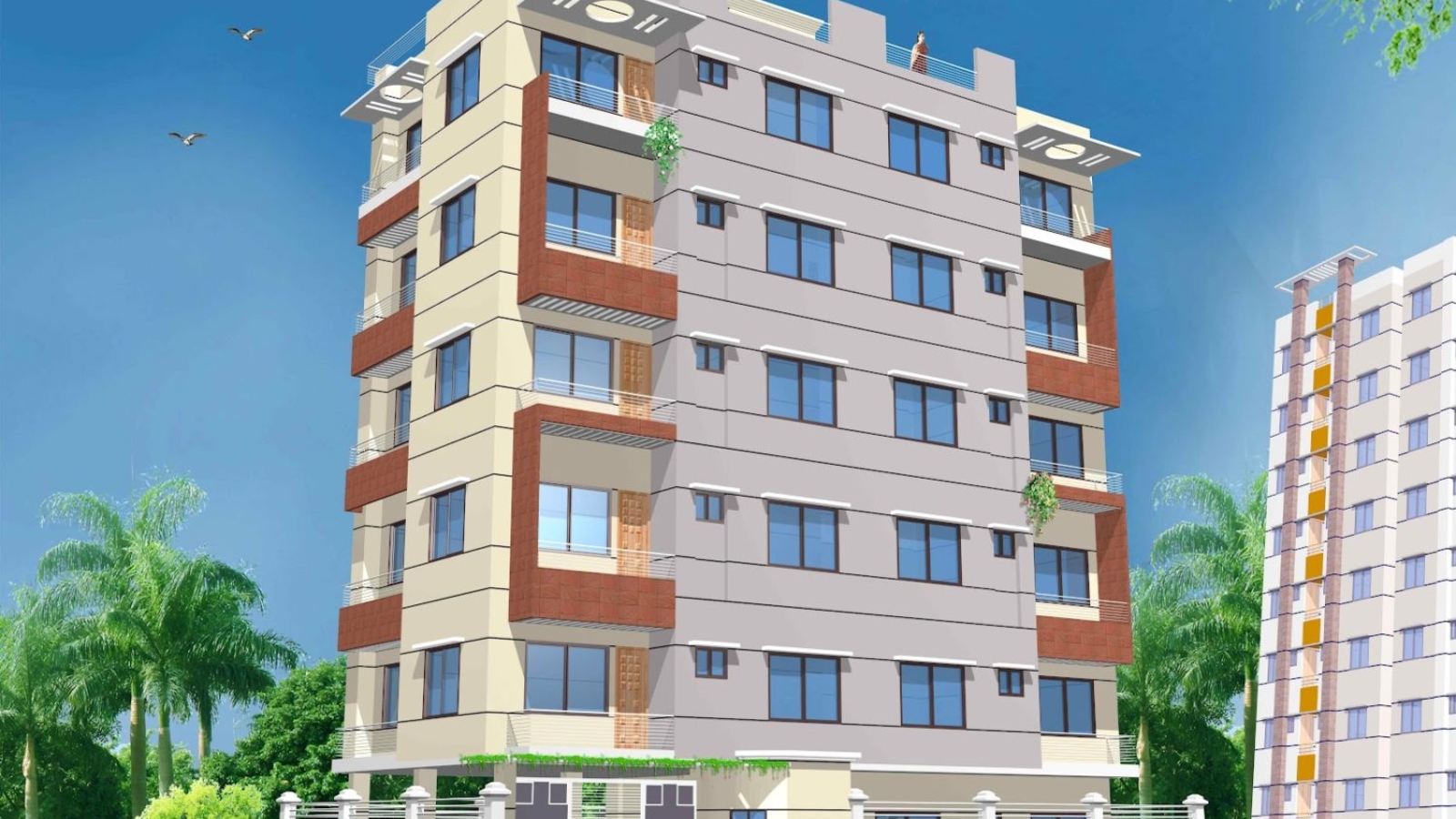
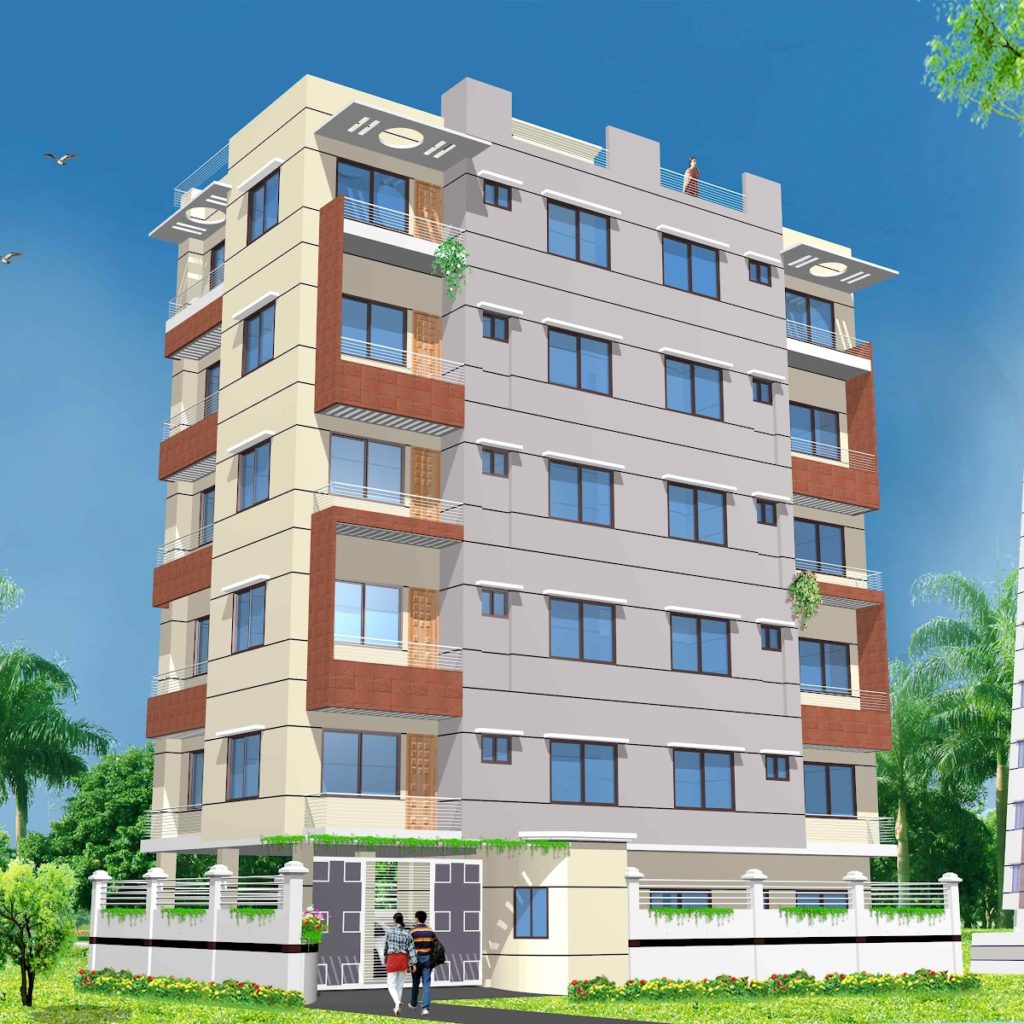
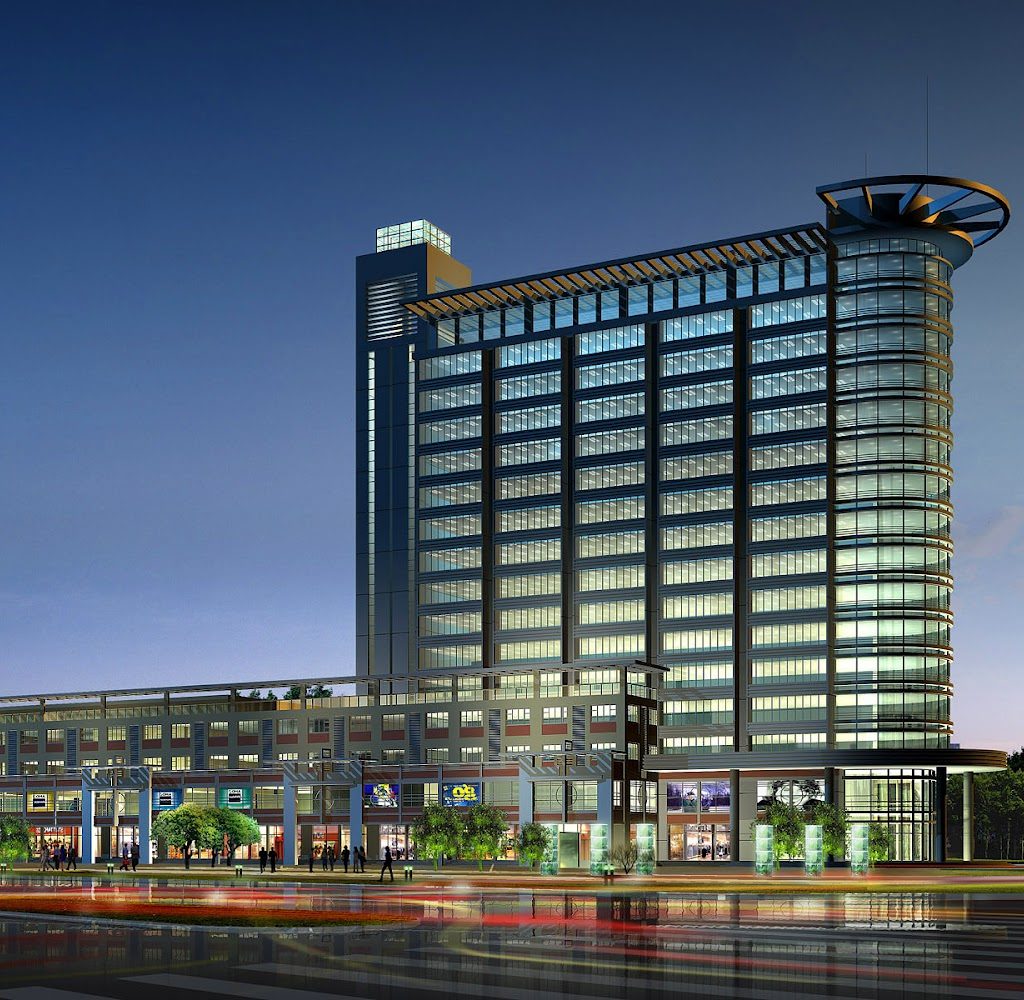
Most important is the direct application of technology improvements, known as 3D rendering. In short, 3D rendering is the process of creating a 3D model or image of something using powerful software. Rendering is intends to make an image look as life like as possible. Improvements in computer graphics processing power have enabled more and more lifelike renders to be achieved, to the point where an untrained eye will find it difficult to discern between a 3D render and a photograph.
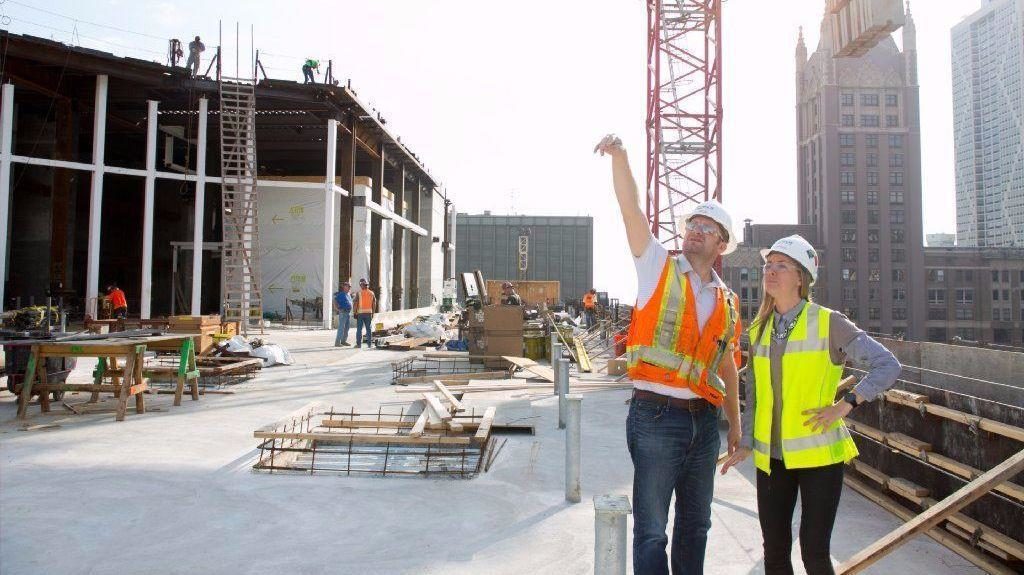
How does 3D rendering help construction and architecture companies?
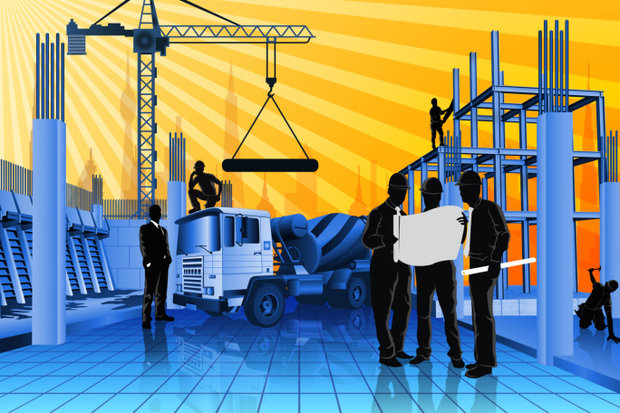
First of all, companies can create images of what their building/landscape will look like well in advance of construction finishing, or even before the first brick is laid. They can use these rendered images to demonstrate their ideas to their customer. This allows can then review the ideas and request and changes.
Secondly, 3D rendering helps the company to design more effectively. As a result, client and contractor are well aligned on the project outcome. Further, the risk of deciding on variations after construction is complete is reduced. Both parties see benefits, as modifying already-constructed parts of a project is costly and causes delays.
Imaging trends in the industry
In this modern day, 3D rendering is now a necessity for many companies commissioning construction projects. Moreover, they expect their suppliers to use this tool as it provides much more detail than a simple 2D floor plan or sketch drawing. As a result, a construction or architecture company who is yet to leverage this technology is now well behind the game.
But how easy is it for a company to incorporate 3D rendering technology into their business?
Unfortunately, the short answer is: not easy. For example, the technology requires:
- Costly, high-performing computers to run the software
- Usually, one-off and periodic licensing fees to use the software
- Highly-skilled personnel to use the software properly and extract the most value from it.
- If a business doesn’t already employ these personnel, they will need to hire more staff or train existing ones.
- Staff need to be continually re-trained as the software and customer expectations evolve.
Unfortunately, the requirements listed above sum to tens or even hundreds of thousands of euros. Therefore, it’s a challenge for smaller companies who do not have the scale to create a business case for using the software. But fear not, companies can alleviate this issue by contacting Cademix.
There’s a simple solution
Organisations like Cademix employ a bevy of experienced, professional artists that can help beneift your business. First of all, these artists are more than well equipped to complete 3D rendering work for construction jobs. Cademix can offer their services to create best in class renders of any kind. Second of all, they very qualified for the tasks at hand and can be contracted by a construction company for a single instance. This can save the company a lot of money in ongoing costs.
Cademix’s industry-focused courses can help to train a new generation of architects and builders who are experts in this field. As a result, employment opportunities are open to graduates in a fast-growing field.
So as you can see, 3D rendering is a must-have for architecture and construction companies to be competitive. However, it’s not always the most easily-accessible of resources. Partnering with a company like Cademix takes away the costs and hassles of having 3D rendering software controlled in-house.
Estimated Reading Time: 4 minutes